Category Archives: CNC Plasma Cutting

Articles, guides, and practical advice for CNC plasma cutting, including machine-torch mounting, laser alignment, torch squaring, cut quality, setup, maintenance, and Langmuir CrossFire upgrades.

CNC Plasma Dross: What Causes It and How to Fix It

cnc plasma dross

CNC Plasma Dross: What Causes It and How to Fix It If you’ve spent any time CNC plasma cutting, you’ve probably dealt with dross. It’s that unwanted buildup of metal along the bottom edge of your parts that leaves you reaching for a grinder when the cutting is finished. A little dross might not seem […]

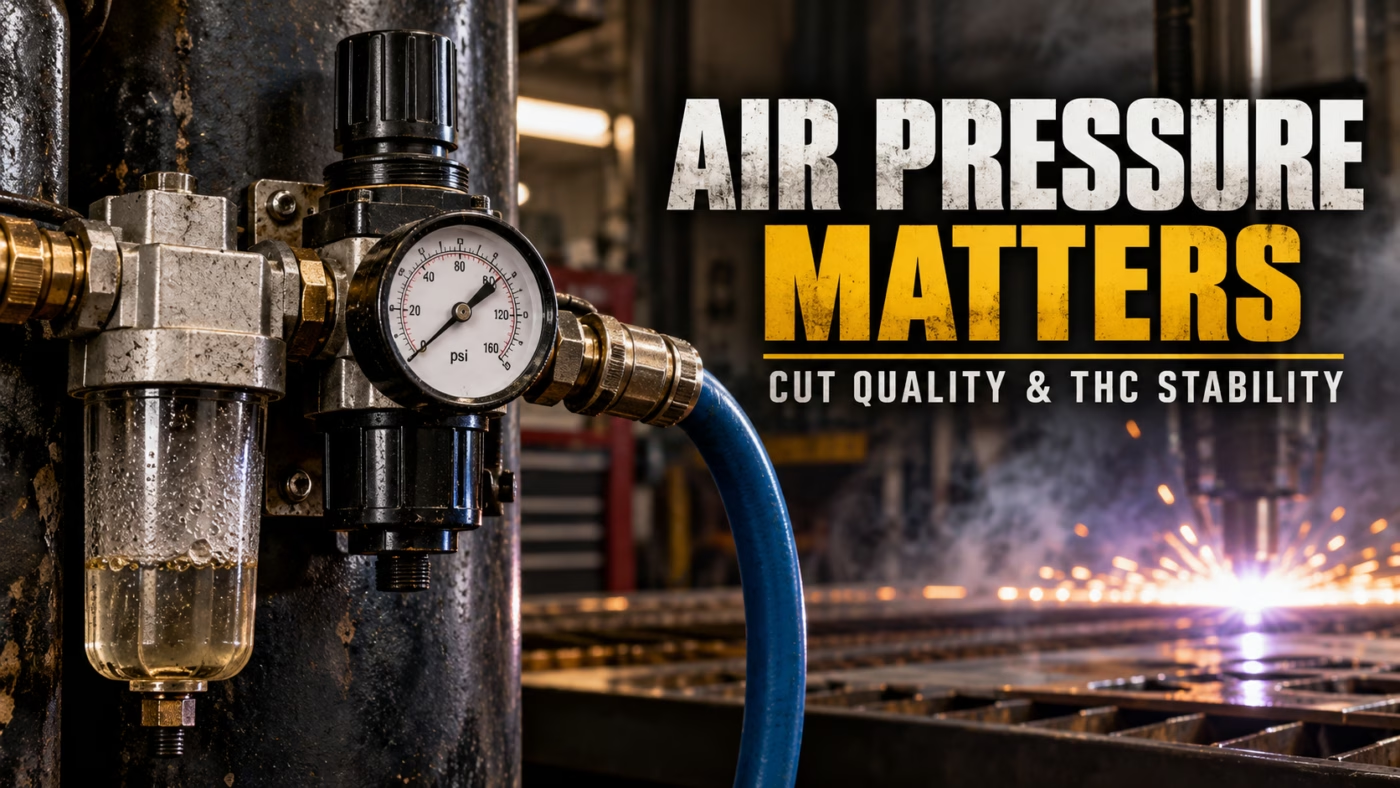
CNC Plasma Air Pressure: Why It Matters for Cut Quality

CNC Plasma Air Pressure

Why CNC Plasma Air Pressure Matters More Than You Think You can have your amperage, cutting speed, and torch height perfectly dialed in and still get terrible results if your compressed air supply isn’t doing its job. One of the most overlooked variables in CNC plasma cutting is air pressure. More specifically, it’s the difference […]

How Amperage, Cut Speed, and Tip Size Work Together in CNC Plasma Cutting

How Amperage, Cut Speed, and Tip Size Work Together in CNC Plasma Cutting A plasma cutter has a lot of settings, but three of the most important are closely connected: Amperage Cutting speed Tip size The mistake is treating them as three independent settings. They are a system. If you change amperage without considering the […]

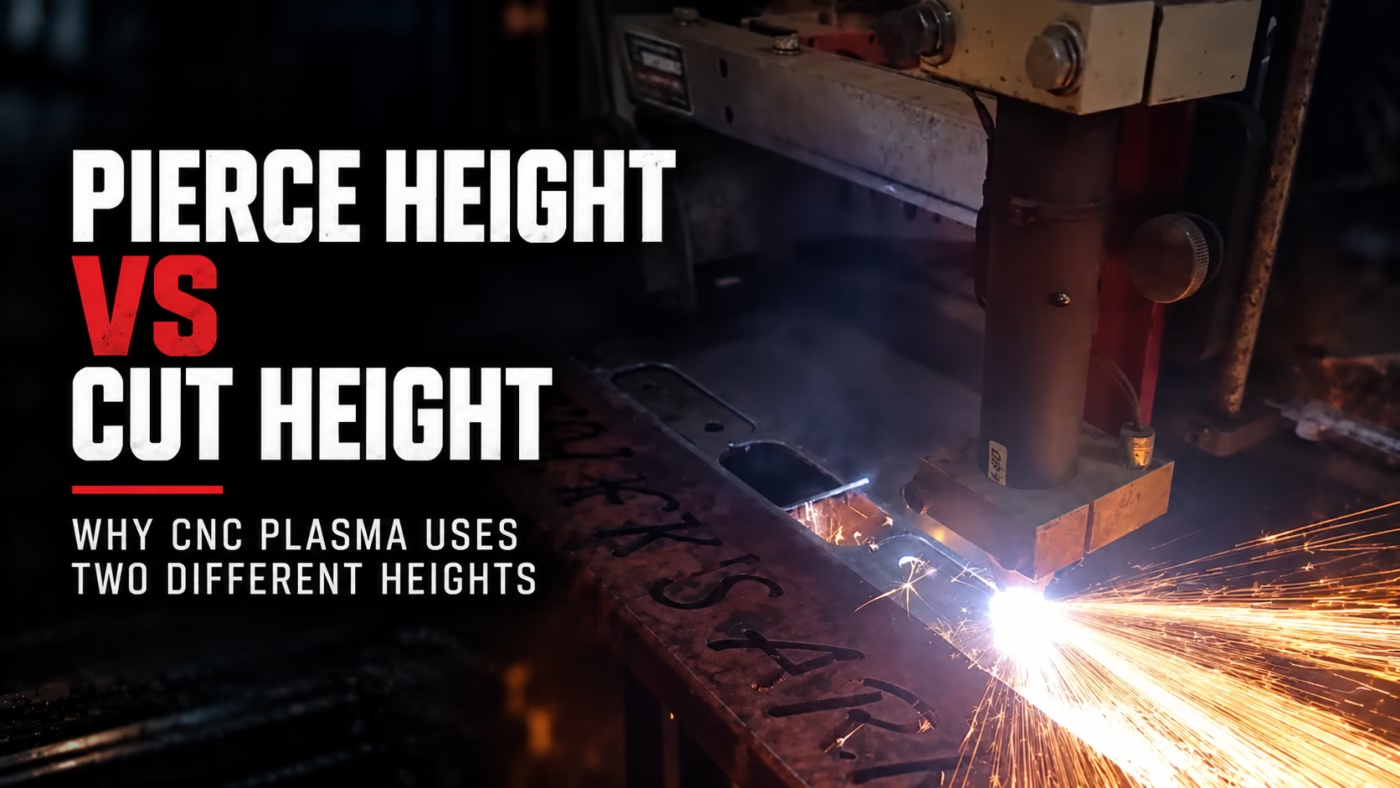
Pierce Height vs Cut Height: Why CNC Plasma Uses Two Different Heights

Pierce height vs Cut Height

Pierce Height vs Cut Height: Why CNC Plasma Uses Two Different Heights One of the easiest CNC plasma settings to misunderstand is torch height. The torch does not stay at one fixed distance above the material throughout the entire cutting process. Instead, a typical plasma cut uses two important heights: Pierce height Cut height They […]

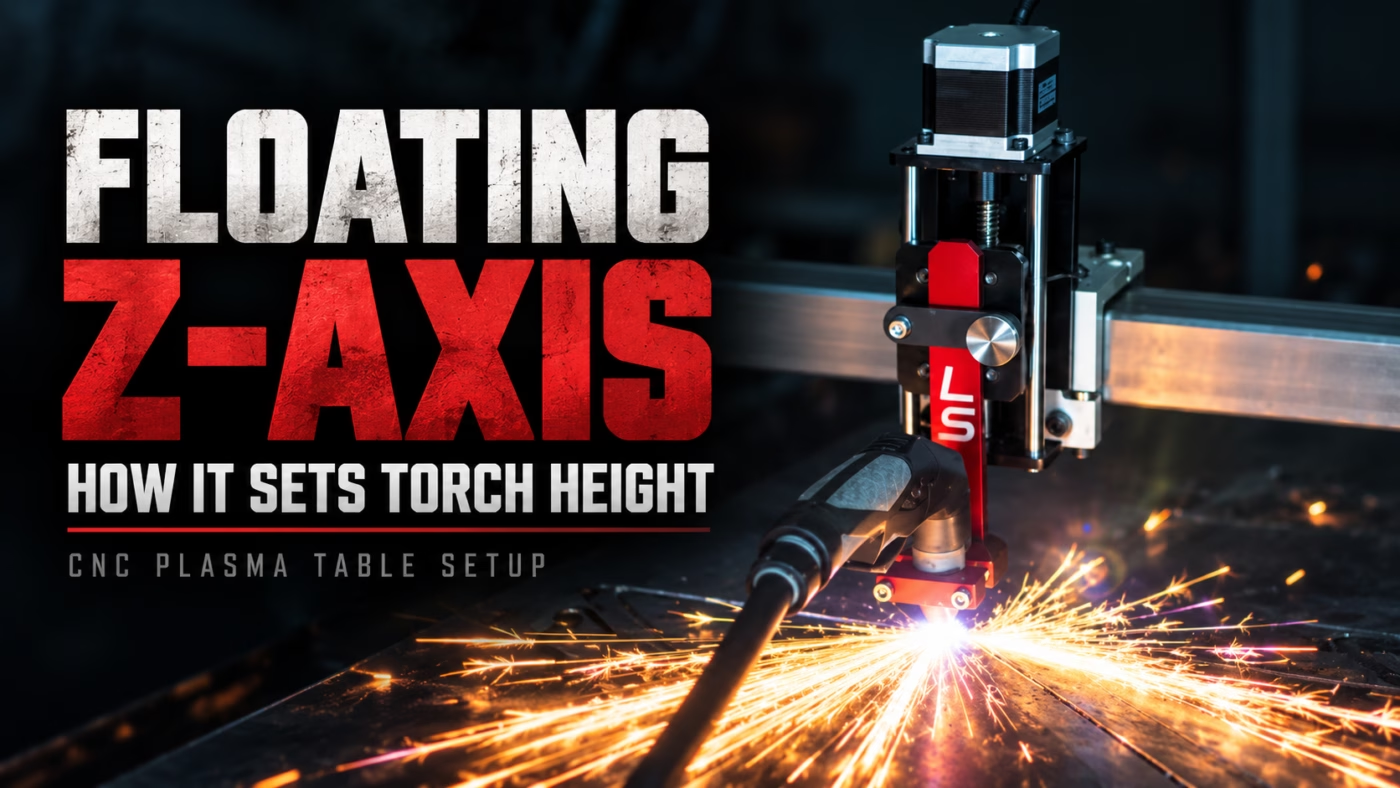
How the Floating Z-Axis Sets Torch Height on a CNC Plasma Table

Floating Z axis

How the Floating Z-Axis Sets Torch Height on a CNC Plasma Table Before a CNC plasma cutter can make a good cut, it needs to know exactly where the surface of the material is. That sounds simple until you consider that sheet metal is rarely perfectly flat. Material can be: Warped Bowed Sitting unevenly on […]

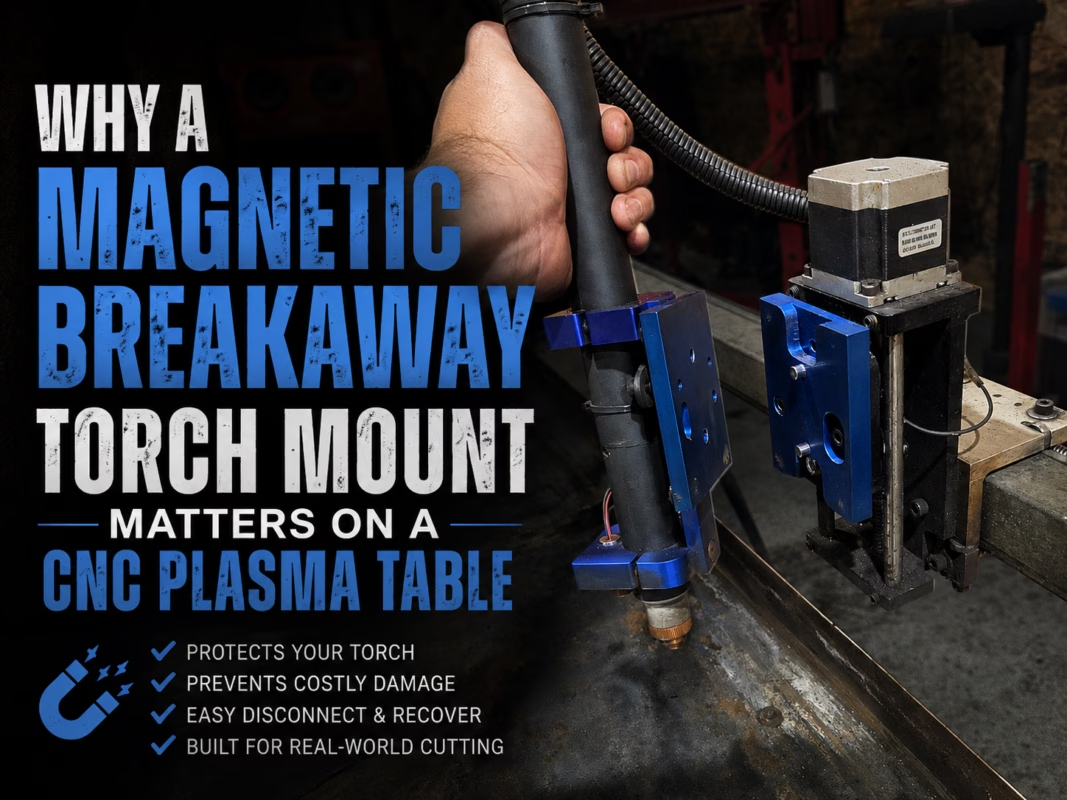
Why a Magnetic Breakaway Torch Mount Matters on a CNC Plasma Table

Magnetic Torch Mount

Why a Magnetic Breakaway Torch Mount Matters on a CNC Plasma Table Even with a properly set up CNC plasma table, eventually something is going to go wrong. A cut part tips up. A piece of warped material catches the torch. Slag builds up. A remnant moves. The torch travels across something that is no […]

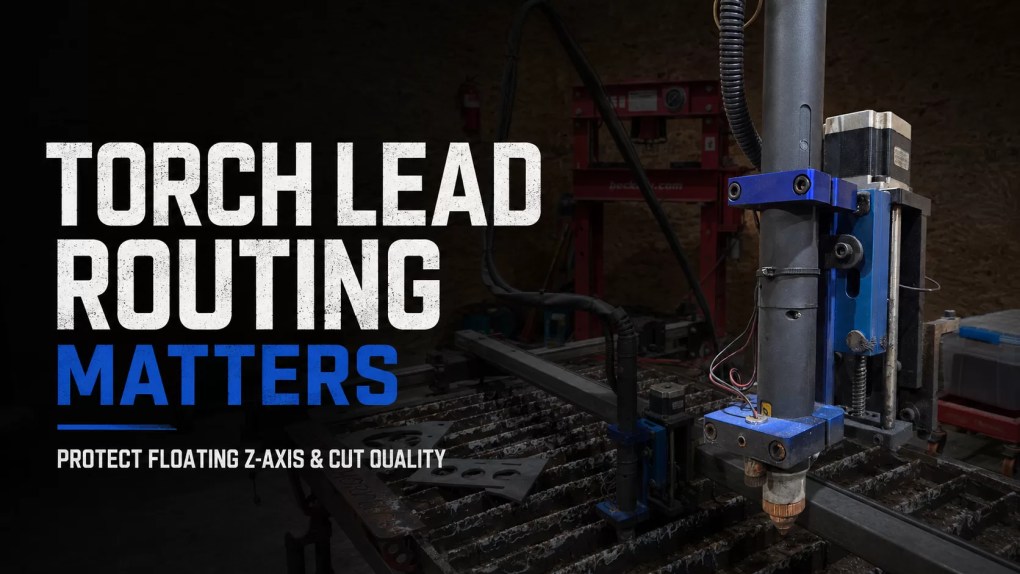
Why Torch Lead Routing Matters on a CNC Plasma Table

Torch Lead Routing Matters

Why Torch Lead Routing Matters on a CNC Plasma Table The torch lead is easy to overlook when setting up a CNC plasma table. It is flexible, so it may seem like you can simply route it wherever it fits and start cutting. But that heavy cable is constantly pulling on the torch as the […]

CNC Plasma Torch Squareness Matters for Cut Quality

Torch holder alignment

Why CNC Plasma Torch Squareness Matters for Cut Quality A CNC plasma torch needs to be perpendicular to the cutting surface in both directions. Even a small amount of tilt can affect: Edge bevel Hole quality Dimensional accuracy Part consistency Cut appearance A rigid torch holder keeps the torch from moving, but the holder cannot […]

How Dual Laser Alignment Makes CNC Plasma Setup Faster

Dual Laser Alignment

How Dual Laser Alignment Makes CNC Plasma Setup Faster Finding the exact center of a CNC plasma torch can be awkward. The nozzle is small, the torch may sit several inches above the material, and the gantry or holder can block your view. This becomes especially frustrating when positioning a cut near an edge, centering […]

How to Measure a CNC Plasma Torch Before Buying a Holder

How to measure a cnc plasma torch

How to Measure a CNC Plasma Torch Before Buying a Holder A CNC plasma torch holder must closely match the outside diameter of the torch. A holder that is too large may not grip securely. A holder that is too small may not close properly or could place excessive pressure on the torch body. The […]