Tag Archives: Custom CNC Parts

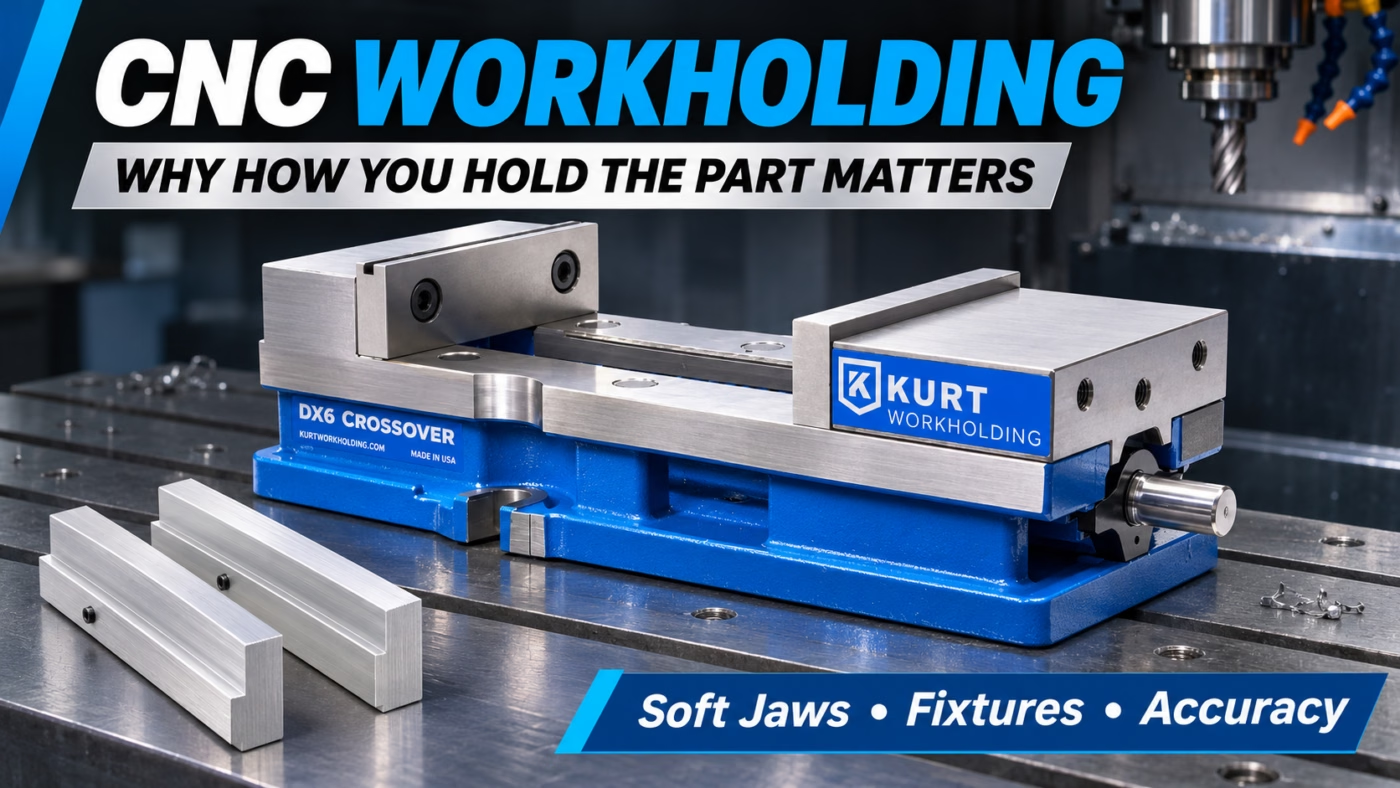
CNC Workholding: Why Holding the Part Matters

Precision CNC Workholding Showcase

CNC Workholding: Why How You Hold the Part Matters as Much as the Toolpath A CNC program can be perfect. The feeds and speeds can be correct. The cutter can be brand new. And the part can still come out wrong because of one basic problem: It was not held correctly. Workholding is one of […]
CNC Machining vs 3D Printing: Which Is Better?

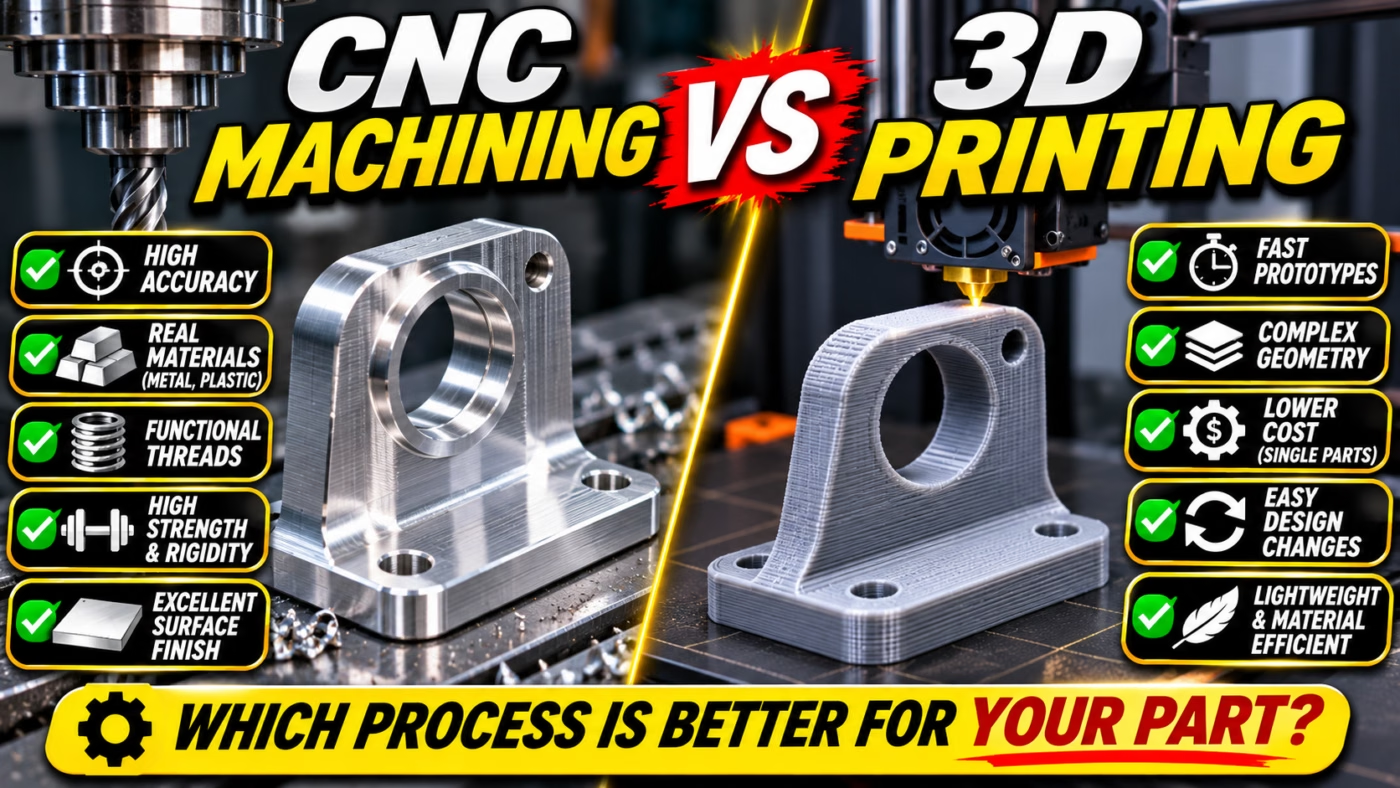
CNC Machining vs 3D Printing

CNC Machining vs 3D Printing: Which Process Is Better for Your Part? CNC machining and 3D printing are both excellent ways to turn a CAD model into a real part. They just solve very different problems. I see people compare them as though one technology is replacing the other, but that misses the point. A […]

CNC Machining Surface Finish: Why Smoother Isn’t Always Better

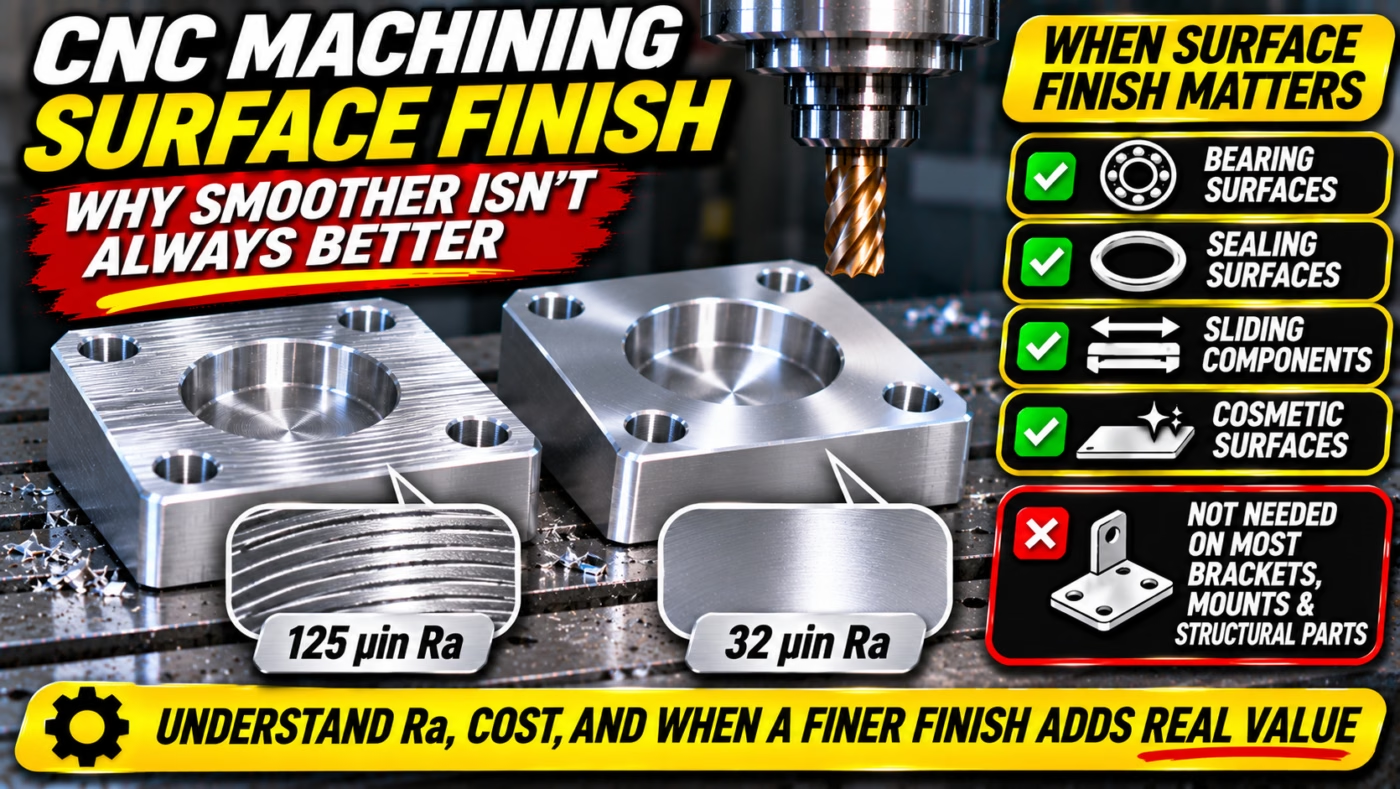
CNC Surface Finish_ When Smoother Matters

CNC Machining Surface Finish: Why Smoother Isn’t Always Better Surface finish is another area where CNC machined parts can get more expensive without becoming any better at their actual job. A drawing might call for a very smooth machined finish because it sounds like higher quality. But just like tolerances, a smoother surface is only […]

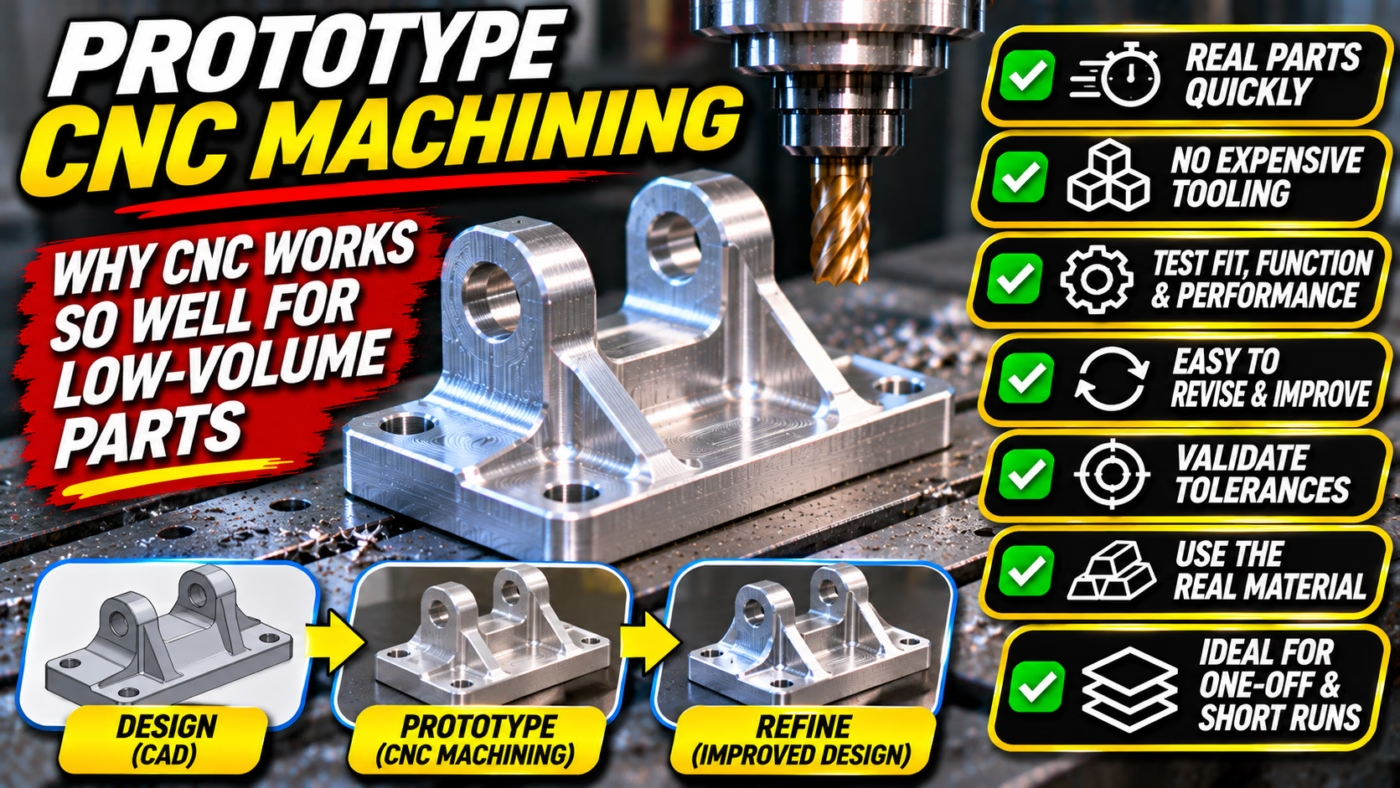
Prototype CNC Machining: Why CNC Works for Low-Volume Parts

Prototype CNC Machining Workflow

Prototype CNC Machining: Why CNC Works So Well for Low-Volume Parts One of the biggest advantages of CNC machining is that you do not need to build expensive dedicated tooling before making the first part. That makes prototype CNC machining especially useful when you need one part, a handful of parts, or a design that […]

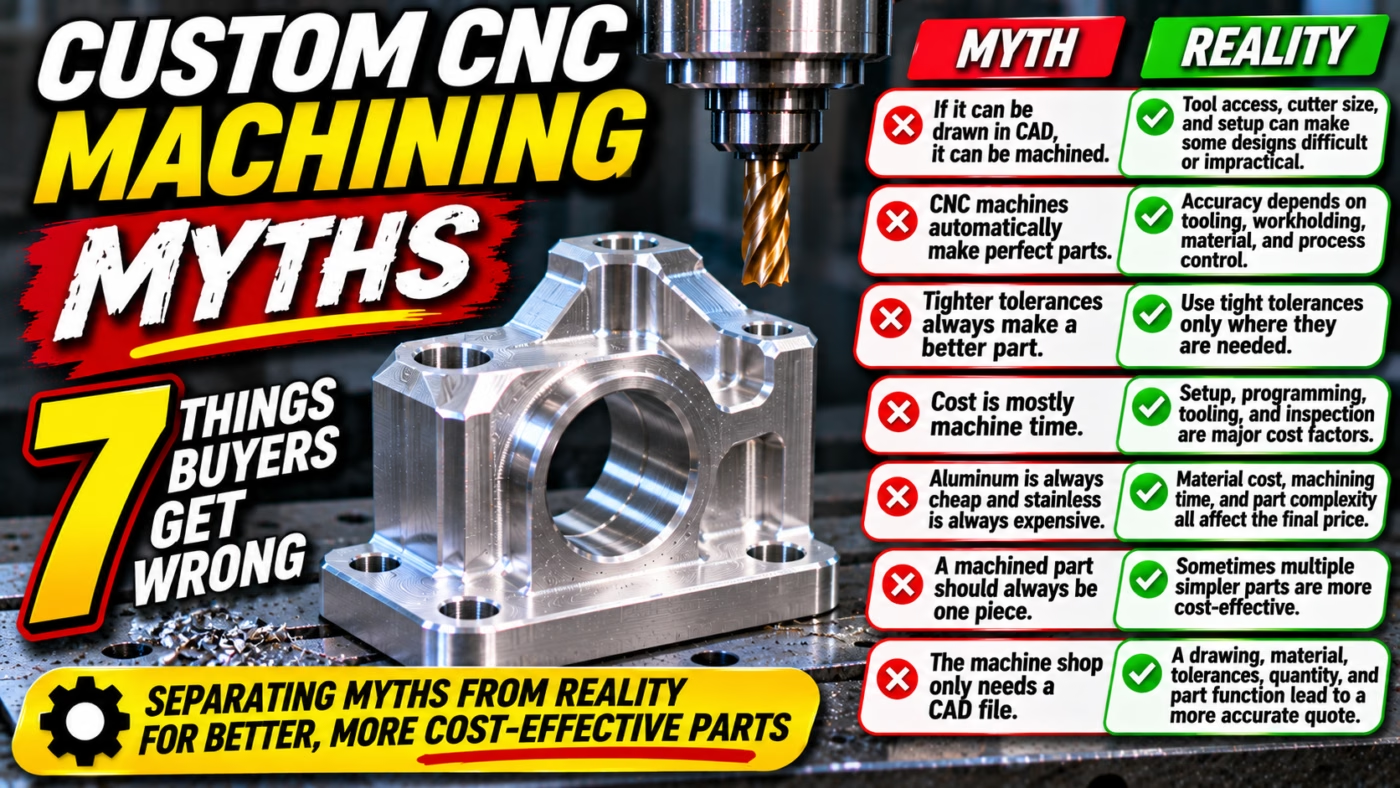
Custom CNC Machining Myths: 7 Things Buyers Get Wrong

CNC Machining Myths_ Myth vs Reality

Custom CNC Machining Myths: 7 Things Buyers Get Wrong CNC machining is used everywhere from small repair shops to aerospace manufacturing, but there is still a surprising amount of misinformation about how the process actually works. Some of those misconceptions can make a part unnecessarily expensive. Others can lead to unrealistic expectations about tolerances, surface […]

CNC Machining Materials: Aluminum, Steel, Stainless & More

CNC Materials_ Cost and Performance

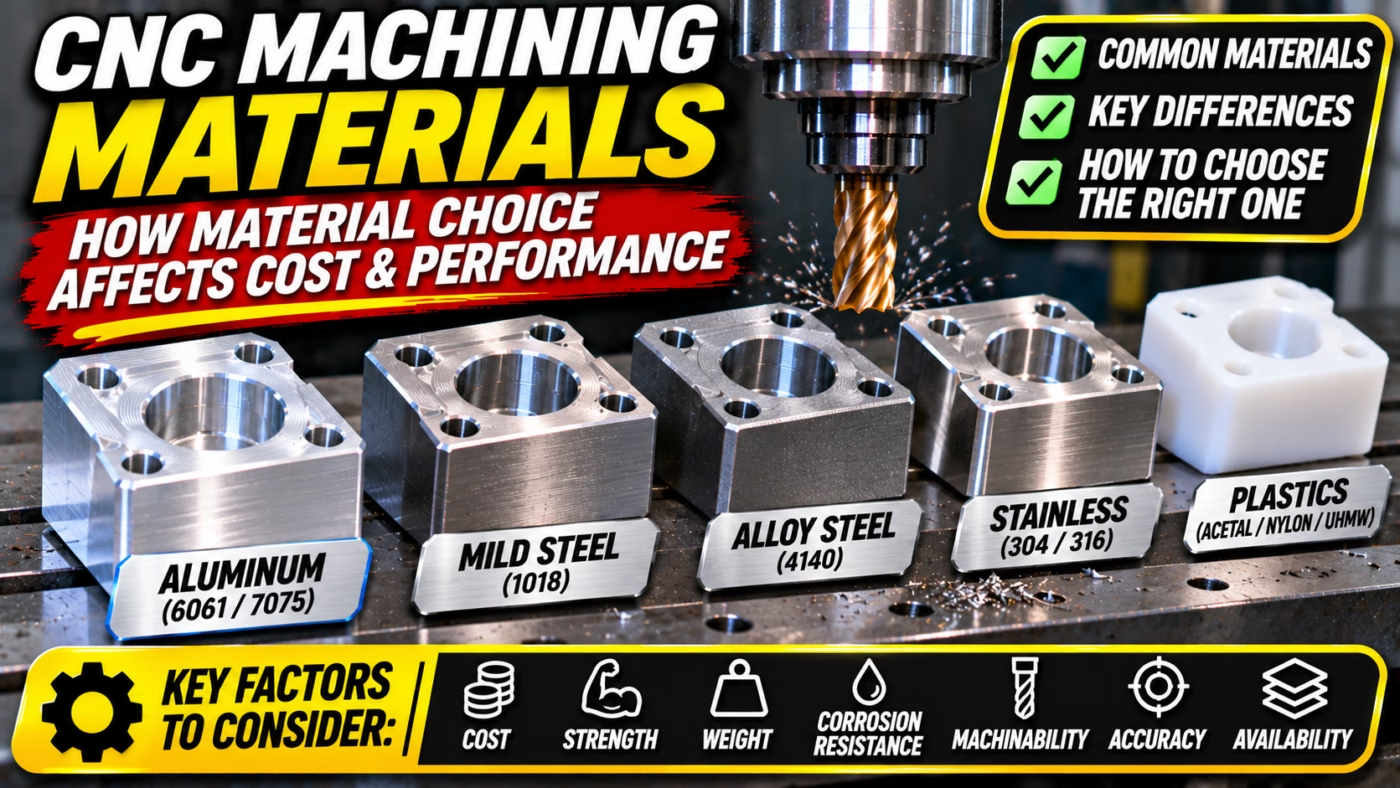
CNC Machining Materials: How Material Choice Affects Cost and Performance When someone sends out a part for CNC machining, material is often treated like a simple line item on the drawing. 6061 aluminum. 1018 steel. 304 stainless. But material selection affects much more than the price of the raw stock. It changes cutting speed, tool […]

CNC Machining Services: How to Get an Accurate Quote

CNC Quote Checklist Blueprint

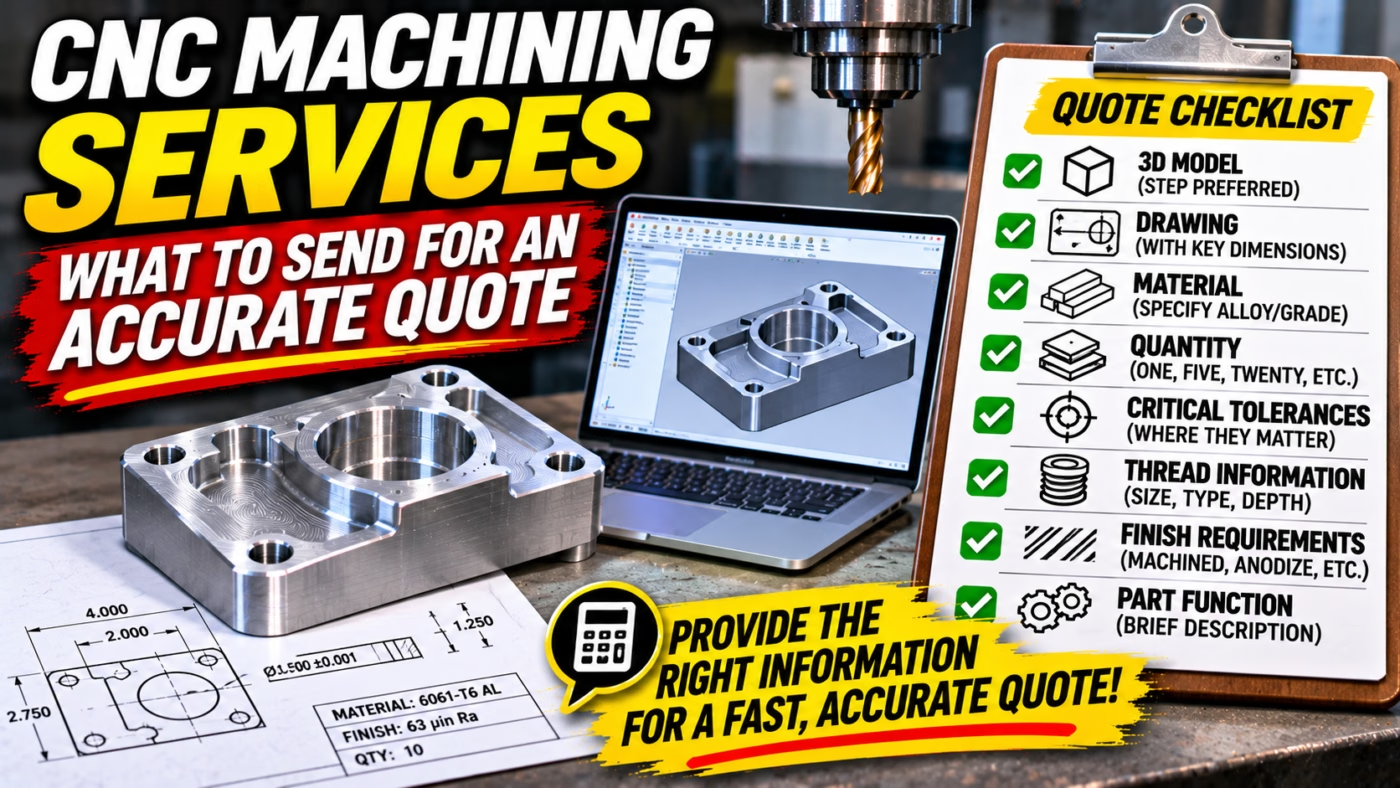
CNC Machining Services: What to Send for an Accurate Quote If you are requesting a quote from a CNC machine shop, the quality of the information you provide can have a surprisingly large effect on the quote you receive. A machinist can usually tell that you need a rectangular aluminum part with a few holes. […]

Precision CNC Machining: What Precision Really Means

Precision CNC Machining Explained

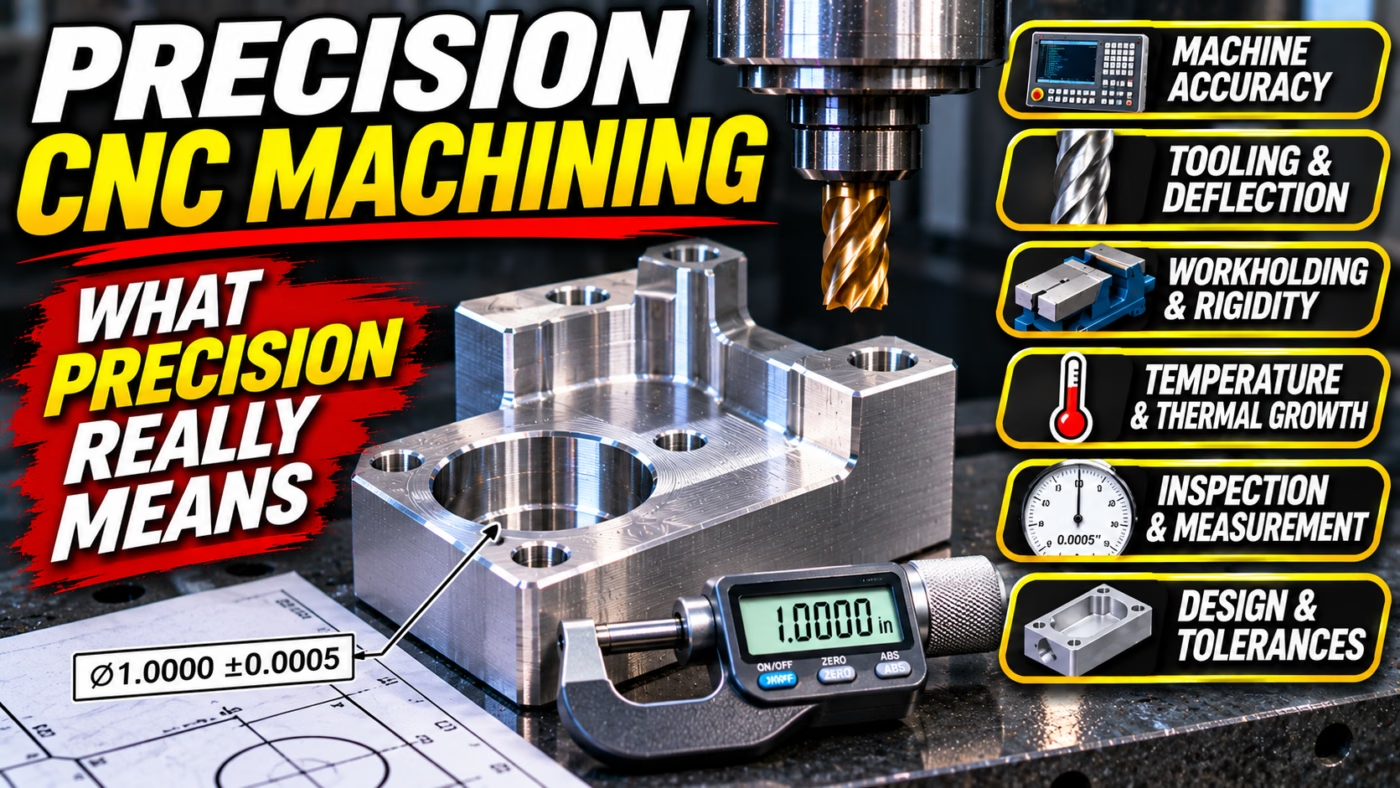
Precision CNC Machining: What Precision Really Means “Precision CNC machining” gets used so often in advertising that the word precision can start to lose its meaning. A CNC machine can move in extremely small increments, but that does not mean every part automatically comes off the machine accurate to a few ten-thousandths of an inch. […]

CNC Milling Services: What Parts Are Best for CNC Milling?

CNC Milling Parts and Applications

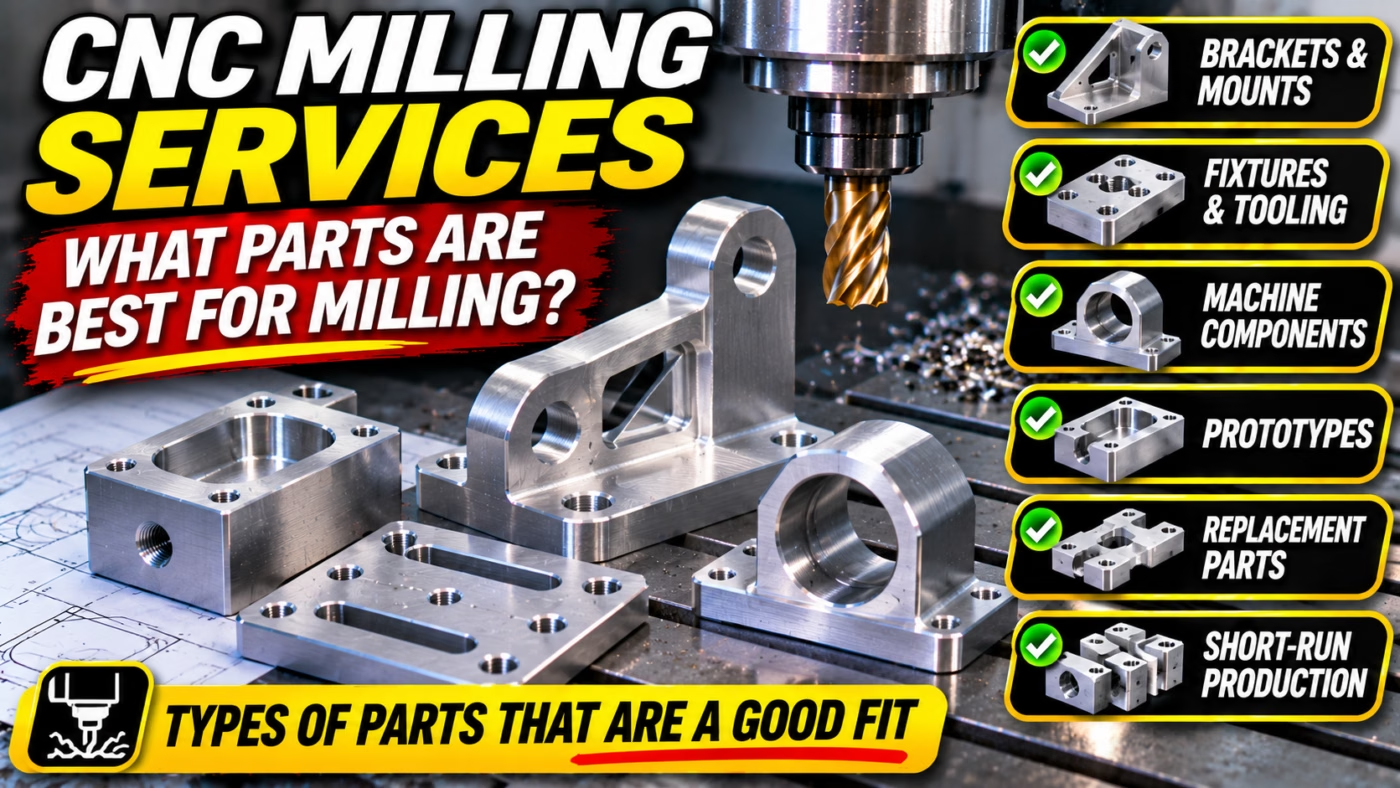
CNC Milling Services: What Parts Are Best Suited for CNC Milling? When someone needs a custom metal part made, “CNC machining” is usually the first term they hear. But CNC machining covers several different processes. One of the most common is CNC milling. Milling is extremely versatile, but it is not automatically the best process […]

Custom CNC Parts: 8 Ways to Reduce Machining Cost

CNC Design Choices for Lower Costs

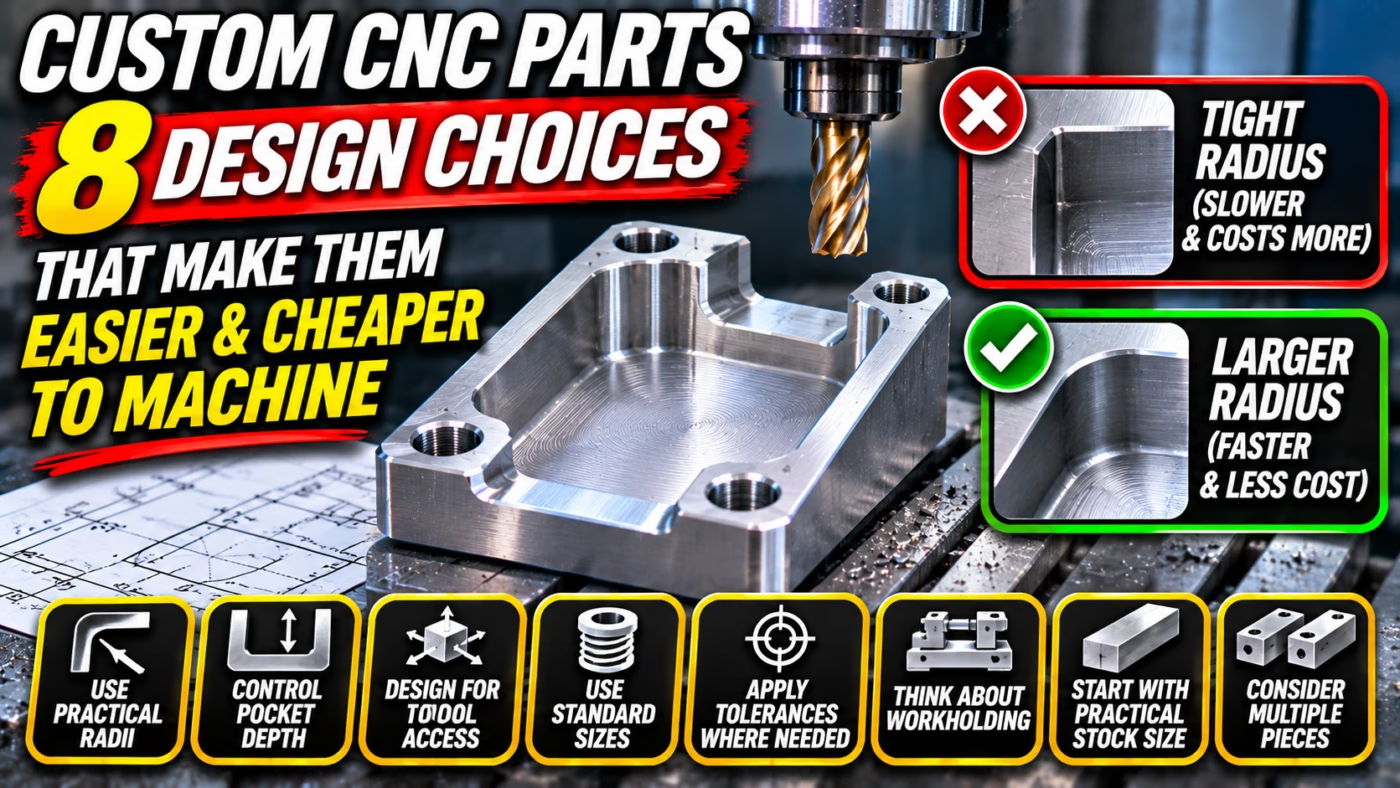
Custom CNC Parts: 8 Design Choices That Make Them Easier and Cheaper to Machine A lot of CNC machining cost is determined before the machinist ever touches the machine. It is determined in the design. Two parts can perform exactly the same job while one is dramatically easier and cheaper to manufacture than the other. […]